Contagious Diseases / Roch, 1295–1327,
Feast Day: August 16

A religious pilgrim from Montpellier, Roch was known for his ability to heal with the sign of the cross. As he passed through plague-stricken areas, he would stay to heal the sick. When he became ill himself, he went off to die alone so that no one would need to nurse him. A dog cared for and fed him until he recovered.

Other patronages: grapevines; dealers in secondhand goods, gravediggers, stoneworkers; bachelors, prisoners

Invoked: against cholera, plague, skin diseases

Horses / Hippolytus of Rome, d. 236, Feast Day: August 13

His name means “a horse turned loose,” and Hippolytus is often confused with Theseus’s son of the same name, who was dragged to death by horses. Saint Hippolytus was a Roman Christian so concerned with orthodoxy that he declared himself the antipope. He was exiled to Sardinia and worked in the mines along with Pope Pontian. He reconciled himself with Pontian and they were martyred there together.


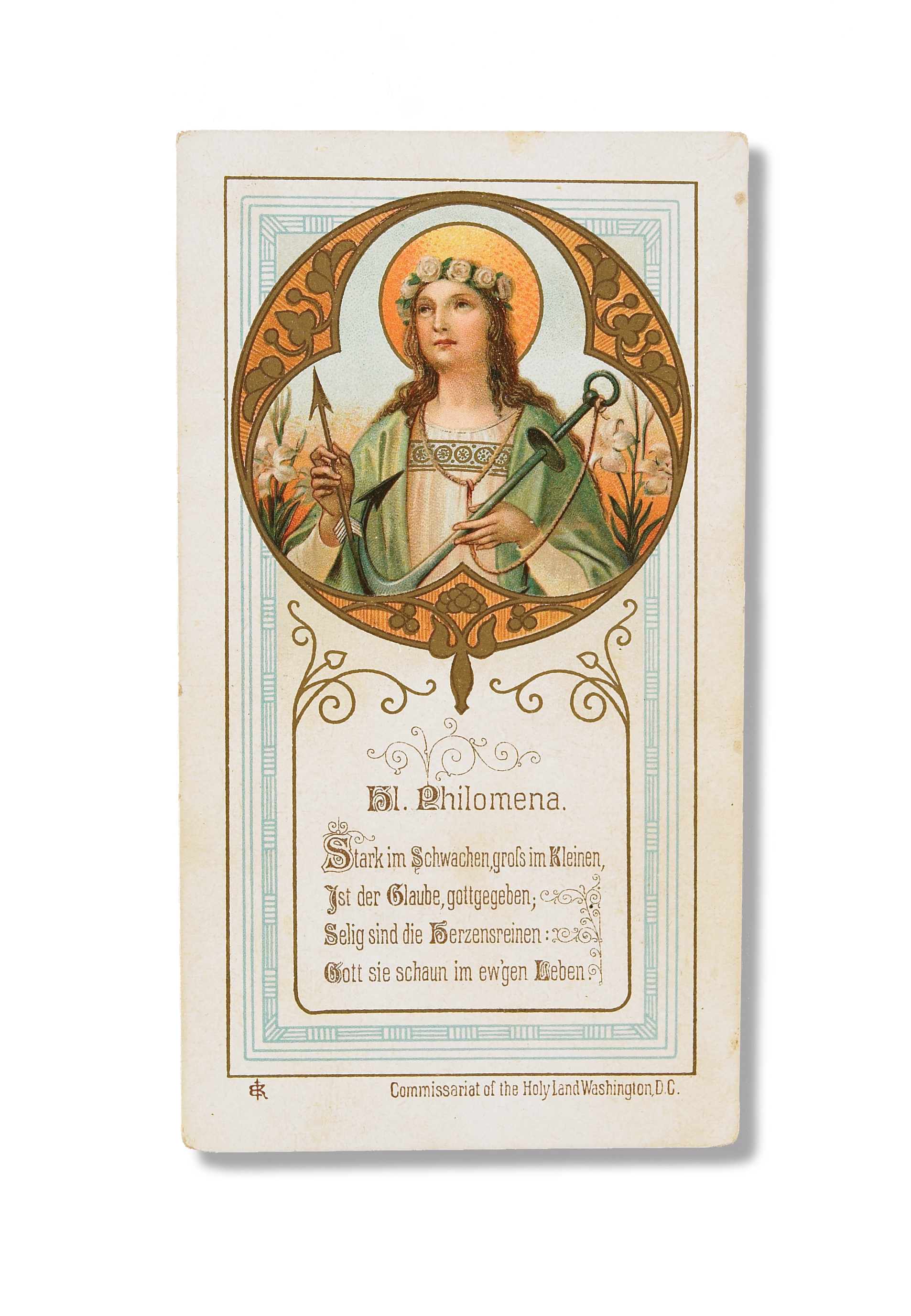
Desperate Situations / Philomena, dates unknown, Feast Day: August 11

In 1802, the tomb of a thirteen-year-old girl was found in the catacombs, with the carved words “Peace be with you, Philomena.” Also carved were the symbols of virginity and martyrdom. When these relics of this unknown martyr were taken to the Vatican, they were transferred to a church in Naples by a priest who felt a spiritual message from them. After several miracles were reported because of them, a cult grew around Philomena. Among her devotees were many future saints of the Catholic Church and several popes.

Other patronages: barrenness; Children of Mary, the Living Rosary; priests; children, poor people

Television Workers / Clare of Assisi, 1194–1255, Feast Day: August 11

Founder of her own order of nuns, together with Saint Francis, Clare challenged the religious authorities of their day by leading a youthful resurgence of spirituality, embracing poverty and simplicity. A mystic, Clare viewed midnight mass one Christmas from her bed and was able to correctly recount all the details of the service. This made her the patron of television.

Other patronages: telegraphs, telephones; embroiderers, gilders, needle workers

Invoked: against eye disease

Dominican Republic / Dominic de Guzman, 1170–1221, Feast Day: August 8

The island nation of Hispaniola was named after this saint in 1508, shortly after its discovery by the Spanish. Dominic founded the traveling Order of Preachers (known as the Dominicans) to combat heresies by preaching from town to town. Before his birth, his grandmother saw him with a star shining from his forehead, shedding light on the world, and his mother had a vision of him as a little dog in her womb who, when born, set the world on fire with a torch he carried in his mouth.

Other patronages: Bologna, Caleruega (Spain), Naples, Tolosa (Spain); astronomy; astronomers, preachers, scientists, seamstresses, tailors; falsely accused people

Invoked: against drowning

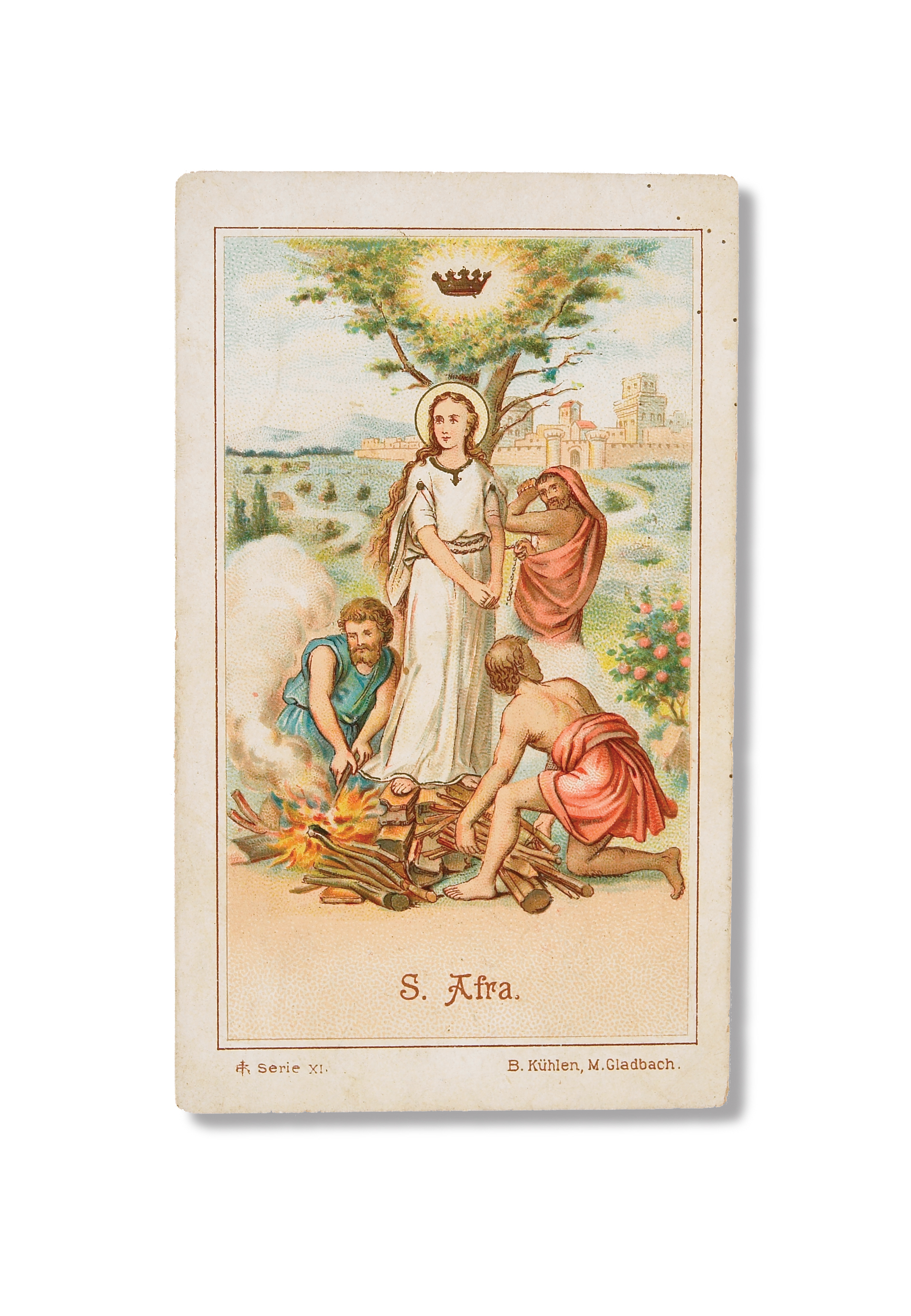
Converts / Afra, d. 304, Feast Day: August 5

Her family was originally from Cyprus, and they settled in Augsburg, Germany. Afra was a follower of the goddess Venus and ran a brothel in her name. During the Diocletian persecutions, a fleeing bishop hid there, converting Afra, her employees, and her family. When she refused to renounce the bishop or her faith to the authorities, she was burned to death. Her mother and three of her servants suffered the same fate.

Other patronages: Augsburg (Germany); martyrs, penitent women; medicinal herbs


Arthritis / Alphonsus Maria de Liguori, 1696–1787,
Feast Day: August 1

Turning his back on an extremely successful law career, Alphonsus de Liguori entered religious life and founded the Order of Redemptorists. Dedicated to ministering to the poor and downtrodden, he was the author of over seventy books. He suffered from crippling arthritis throughout his life and achieved much despite his illness.

Other patronages: confessors, moral theologians

Novena to Saint Alphonse Liguori

Above patron saints are excerpted from the book: “Patron Saints: A Feast of Holy Cards” by Barbara Calamari and Sandra DiPasqua.  All images are from the collection of Father Eugene Carrella.


Feast of Saint Anne

Procession in Hoboken, NJ on July 26, 2010

Photo: Stella Porter

Dining With the Saints in Honor of Santiago de Compostela

The Feast of Santiago

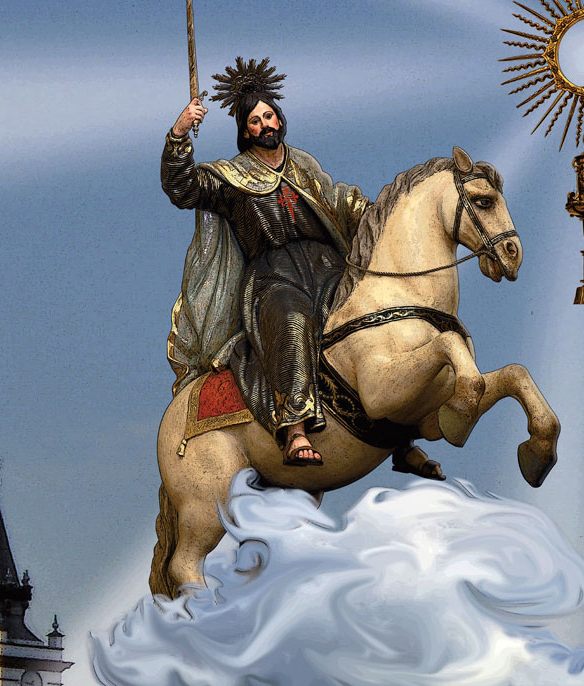
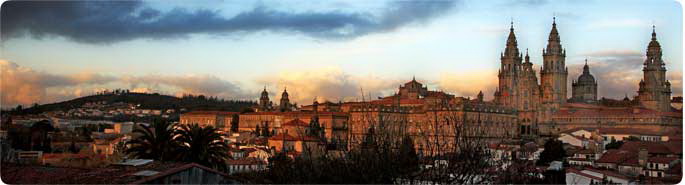
The feast day of Santiago, or St. James the Greater, the patron Saint of Spain is celebrated on July 25th with a pilgrimage to Santiago de Compostela, the holy sight in Galicia, Spain where the Saint’s remains are said to be buried.

One of the original twelve apostles,  St. James was sent to Iberia as an evangelist. Upon his return to Jeruslaem, he was killed by Herod Agrippa the First. His disciples then carried his body by sea to back Iberia, where they landed at Padron, on the coast of Galicia, and then took his remains inland for burial at Santiago de Compostela. Due to his return to Spain by sea, his symbol has always been the cockle or scallop shell and pilgrims often wear this symbol on their hats or clothes.

Coquille St. Jacques, ‘cockle of Saint James’ is a popular French dish in honor of the Saint. It’s a dish of broiled scallops served in their shell, often topped with a béchamel sauce and a little Gruyere. It’s very popular in bistros throughout France, but since Santiago’s holy sight is in Galicia I thought a dish from that region would be a more fitting tribute to this popular Saint. In Galicia the local scallop is called vierias, the pilgrim’s scallop, in honor of Saint James. They’re eaten broiled in their large shells with garlic, parsley and sherry or white Albarino wine. Since scallops with their shells still intact are hard to find in the U.S., I’ve chosen a cockle recipe instead. The tiny New Zealand cockles you find in many American fish shops are perfect for this.

Cockles with Spanish Sherry and Almonds

(Serves four as a first course)

Extra virgin olive oil, preferably a Spanish brand

3 fresh summer garlic cloves, thinly sliced

2 pounds cockles, well washed (discard any that are opened)

¼ teaspoon Piementon de la Vera (Spanish smoked paprika)

Salt

½ cup Spanish Fino sherry

1 fresh bay leaf

The leaves from 8 thyme sprigs

¼ cup sliced, blanched almonds, lightly toasted

A handful of flat leaf parsley leaves

In a large pot, heat about 2 tablespoons of olive oil over medium flame. Add the garlic and let it turn very lightly golden. Add the cockles, the paprika, and a little salt. Give the cockles a quick stir and then add the sherry and the bay leaf. Cook, uncovered, stirring frequently until the cockles have opened, about 4 minutes or so. Add the thyme and stir it in.

Pour the cockles, with all their cooking juices into a large serving bowl. Give them a generous drizzle of fresh olive oil and garnish with the toasted almonds and the parsley leaves.

Serve with crusty bread and glasses of white Spanish wine such as an Albarino from Galicia.

Dining with the Saints, written by Erica De Mane, is a monthly feature on novena.co. If you like, you can also check out http://www.ericademane.com, her blog on Southern Italian cooking.

Patron Saints for July

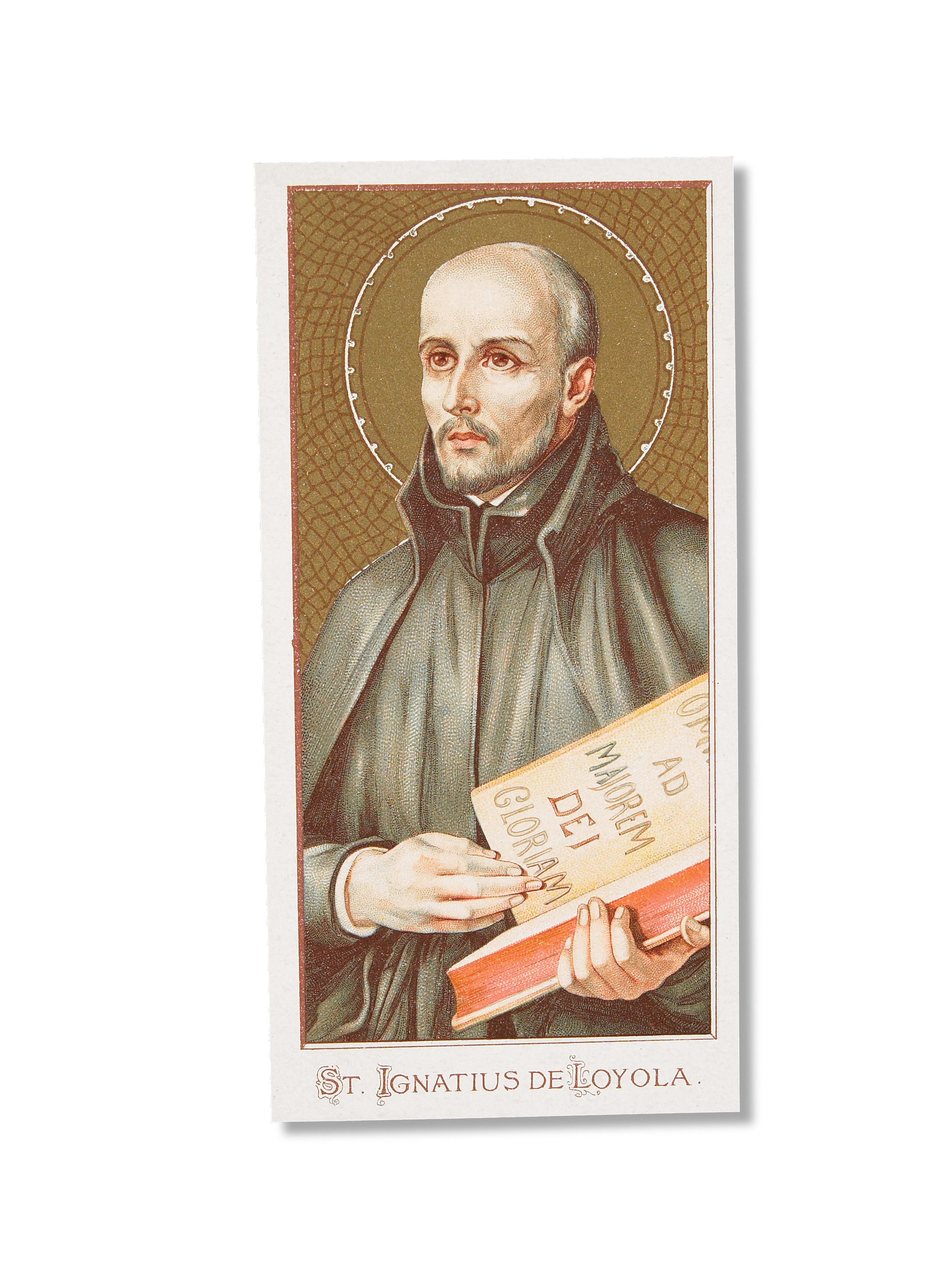
Military / Ignatius of Loyola, 1491–1556, Feast Day: July 31

A son of Spanish nobles and a dedicated soldier, Ignatius’ military career ended when he was hit by a cannonball. While recuperating, he read the lives of saints and decided to become a soldier for Christ. After a year in contemplation, he developed his program of “spiritual exercises” that are the basis of today’s twelve-step programs. Eventually he founded the Society of Jesus, now called the Jesuits. As an order, they educate over 200,000 students per year in schools and universities all over the world.

Other patronages: Basque Country (Spain); religious retreats, spiritual exercises.