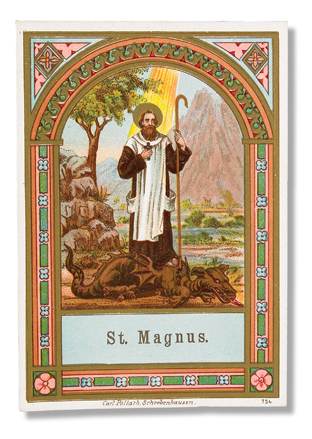
Reptiles / Magnus of Füssen, seventh century, Feast Day: September 6

An Irish missionary, Magnus settled in Germany. He is credited with banishing snakes from the town of Kempten and driving out a dragon in Füssen before founding a monastery there. A bear showed him where to mine iron ore, and that became the leading industry there.

Other patronages: crops

Invoked: against caterpillars, hail, lightning, vermin

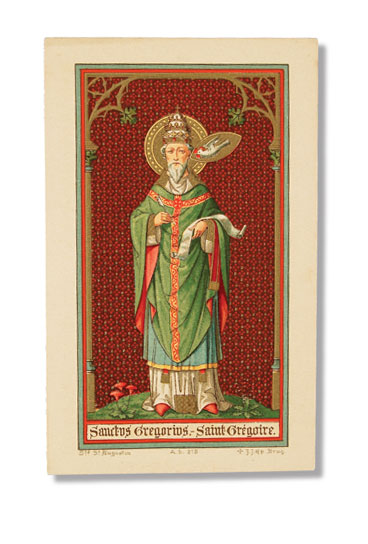
Gout / Gregory the Great, 540–604, Feast Day: September 3

A wealthy Roman patrician enjoying a luxurious life, Gregory turned his home into a monastery upon the death of his parents. Against his own wishes, he was named pope. He was responsible for groundbreaking advances in literature and music. Because of the rich diet and wines enjoyed in his youth, he suffered greatly from indigestion and gout.

Other patronages: music; popes, scholars, schoolchildren, singers, teachers

Invoked: against fires of purgatory, plague

The above patron saints have been extracted from the book “Patron Saints: A Feast of Holy Cards” by Barbara Calamari and Sandra DiPasqua. All images are from the collection of Father Eugene Carrella.

Novena for August

Novena To Saint Monica

Exemplary Mother of the Great Augustine,
You perserveringly pursued your wayward son
Not with wild threats
But with prayerful cries to heaven.

Intercede for all mothers in our day
So that they may learn
To draw their children to God.

Teach them how to remain
Close to their children,
Even the prodigal sons and daughters
Who have sadly gone astray.

Dear St Monica, troubled wife and mother,
Many sorrows pierced your heart
During your lifetime.
Yet you never despaired or lost faith.
With confidence, persistence and profound faith,
You prayed daily for the conversion
Of your beloved husband, Patricius
And your beloved son, Augustine.

Grant me that same fortitude,
Patience and trust in the Lord.
Intercede for me, dear St. Monica,
That God may favorably hear my plea
For

(mention your petition here)

And grant me the grace
To accept his will in all things,
Through Jesus Christ, our Lord,
In the unity of the Holy Spirit,

Dining With the Saints

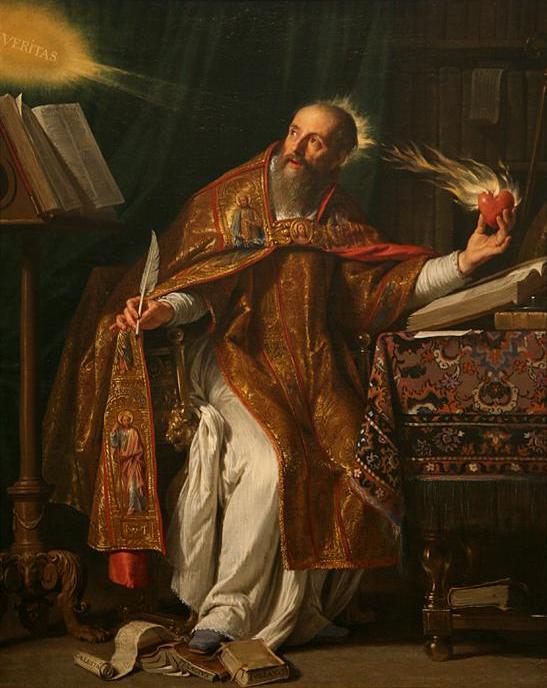
Saint Augustine

 Saint Augustine, our most philosophical and prolific Saint, was born in 354 AD in Thagaste, a provincial Roman city in North Africa, what is now a part of Algeria. The Roman inhabitants of this territory were thoroughly Romanized citizen but very likely linked biologically to the North African Berbers. There are many African saints who exerted a great influence in the early church. Saint Augustine’s mother, Saint Monica, was a North African  Christian, his father was a minor Roman official.  The food of North Africa has always been sophisticated in its use of spices and fresh ingredients. Indeed, when the Romans conquered that part of the world, they introduced many North African ingredients into their own cuisine. Below is a carrot recipe using the same flavors available to those who lived in the time of Saint Augustine.

I’ve been finding the most amazing carrots this summer at my local greenmarket, not only the standard orange ones, but ones in deep crimson, yellow, and dark burgundy. Seeing these carrots reminded my of a beautiful North African carrot salad that I hadn’t made in a long time. It’s traditionally seasoned with cumin, cinnamon, spicy paprika, a touch of sugar and fresh mint. You can add black olives or dates, depending on whether you want to sway it in the sweet or savory direction. It seemed like the perfect recipe to celebrate August 28th, Augustine’s Saint day. If you can find any of these heirloom carrot varieties, try making this fragrant salad with a mix of colors, but it’s also quite beautiful and delicious made with all orange carrots. This salad goes very nicely with grilled lamb and a side of cous cous.

 Carrot Salad with Cinnamon, Cumin, and Fresh Mint


2 tablespoons extra virgin olive oil

1 tablespoon unsalted butter

1 pound carrots, peeled and cut into rounds, on an angle

2 summer garlic cloves, peeled

1 1/2 teaspoons sugar

1/4 teaspoon ground cumin

1/4 teaspoon ground cinnamon

1/2 teaspoon medium spicy paprika

Salt

Extra virgin olive oil

A handful of black Moroccan olives

A handful of fresh mint leaves


In a large skillet, heat the olive oil and the butter over medium heat. When hot add the carrots and the garlic cloves and sauté a minute to release the garlic’s flavor. Add the sugar, cumin, cinnamon, paprika, and a little salt and sauté a minute longer to deepen the flavors of all the spices. Add a splash of warm water to the skillet and cover it, letting the carrots steam cook until just tender but not falling about, about 6 minutes or so. Give them a stir from time to time and add a little more water if the skillet becomes completely dry. When done, they should have a nice glaze on them. Transfer to a serving bowl. Add the olives and scatter on the mint leaves. Serve hot or warm.

 By chef and food writer Erica De Mane. Please check out her food blog at http://www.ericademane.com

Patron Saints for August

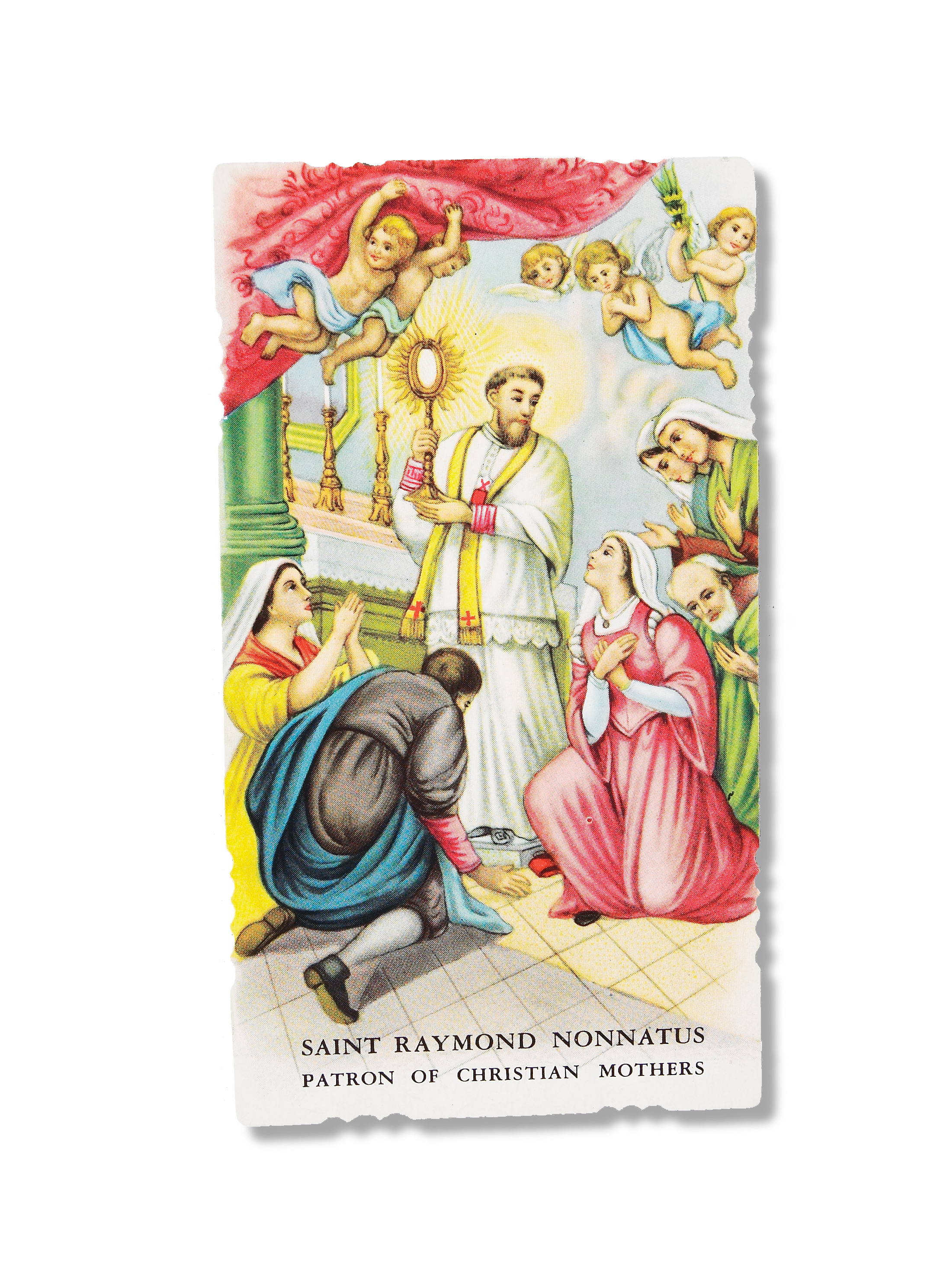
Obstetricians / Raymond Nonnatus, 1204–1240,
Feast Day: August 31

A Mercedarian monk from Spanish nobility, Raymond spent his fortune paying ransom for Christian captives in Algeria. When his funds ran out, he offered himself in place of the last one. To keep him from preaching, his captors put an iron padlock through his lips. He was ransomed back to Spain after eight months. His surname means “not born”; Raymond was delivered by cesarean section while his mother died. This made him particularly sympathetic to pregnant women.

Other patronages: Catalonia (Spain); midwives; childbirth, expectant mothers, falsely accused people, newborns

Invoked: against fever, perjury


Cab Drivers / Fiacre, d. 670, Feast Day: August 30

An Irish monk skilled in the arts of healing and herbology, Fiacre fled to Brittany to avoid the throngs of people asking him for cures and advice. He created a hermitage near a spring and it was said that by walking and poking the earth with a stick, he would get a full-grown garden to appear. In seventeenth-century Paris, the Hotel Fiacre rented out carriages that were referred to as “fiacres” by the general public. Cabs in Paris are stilled called by this name.

Other patronages: box makers, florists, gardeners, hosiers, tile makers

Invoked: against barrenness, fistulas, hemorrhoids, venereal diseases


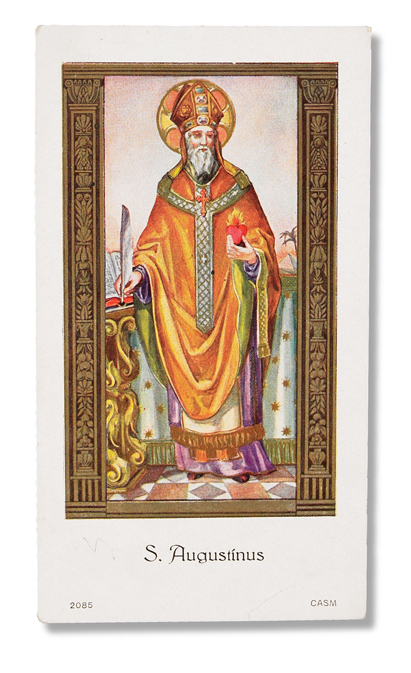
Biologists / Augustine of Hippo, 354–430,
Feast Day: August 28

Born in Africa, Augustine was a brilliant and ambitious professor of rhetoric who moved to Italy. After a dissolute youth, he became a follower of Manichaeism and then Neoplatonism. He was converted to Christianity by his mother, Monica, and Ambrose, bishop of Milan. His writing is considered a cornerstone of Western civilization. He argued against literal readings of the Bible, insisting that the six-day time frame for the creation of the world was meant as a poetic explanation.

Other patronages: St. Augustine (Florida); Antonians, Augustinians, Servites, Premonstratensians; brewers, printers, theologians

Invoked: against grasshoppers, harmful animals, sore eyes

Married Women / Monica, 331–387, Feast Day: August 27

Born as a Christian in Algeria and living with a pagan husband in Carthage, Monica had a difficult marriage. Her husband was abusive and her mother-in-law disliked her. Monica was a reformed alcoholic when she followed her pleasure-loving son, Augustine, to Italy. She was known for her tears and constant prayers for his conversion. After a wild life, he became one of the greatest saints of the Catholic Church. Monica died shortly after he became a Christian.

Other patronages: housewives; abuse victims, adultery victims, alcoholics, disappointing children, mothers


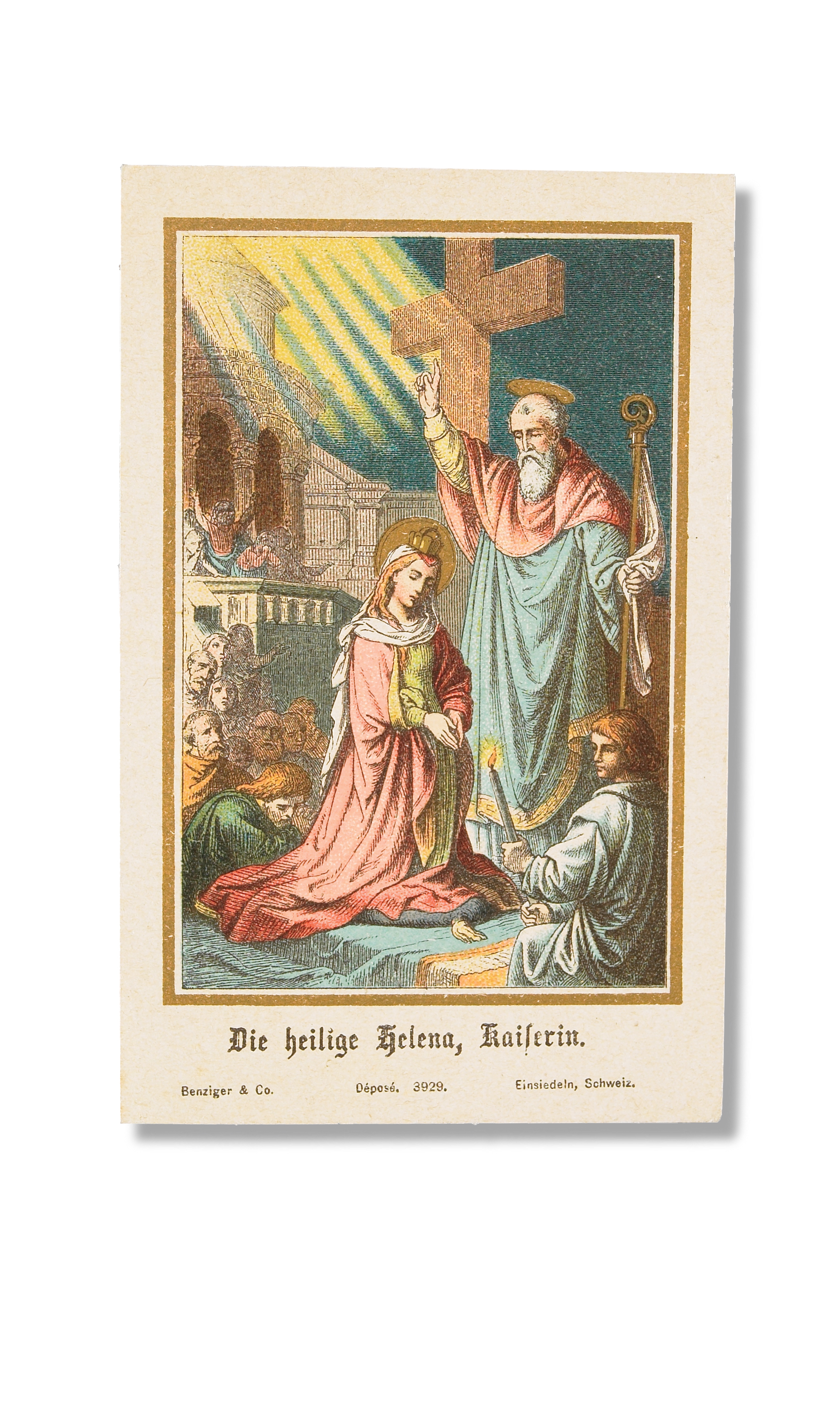
Archeologists / Helena, 250–330, Feast Day: August 18

Married to the coregent of the Western Roman Empire, Helena was divorced by him when he became emperor. Upon his death and the ascension of her son Constantine to the throne, she was installed in court and treated as royalty. A devout Christian, she influenced her son to legalize Christianity. At the age of eighty she traveled to the Holy Land, paying for a successful expedition to uncover the True Cross.

Other patronages: Madrid, Paris; dyers, empresses, nail makers; converts, difficult marriages, divorced people

Invoked: against demons; to find lost objects


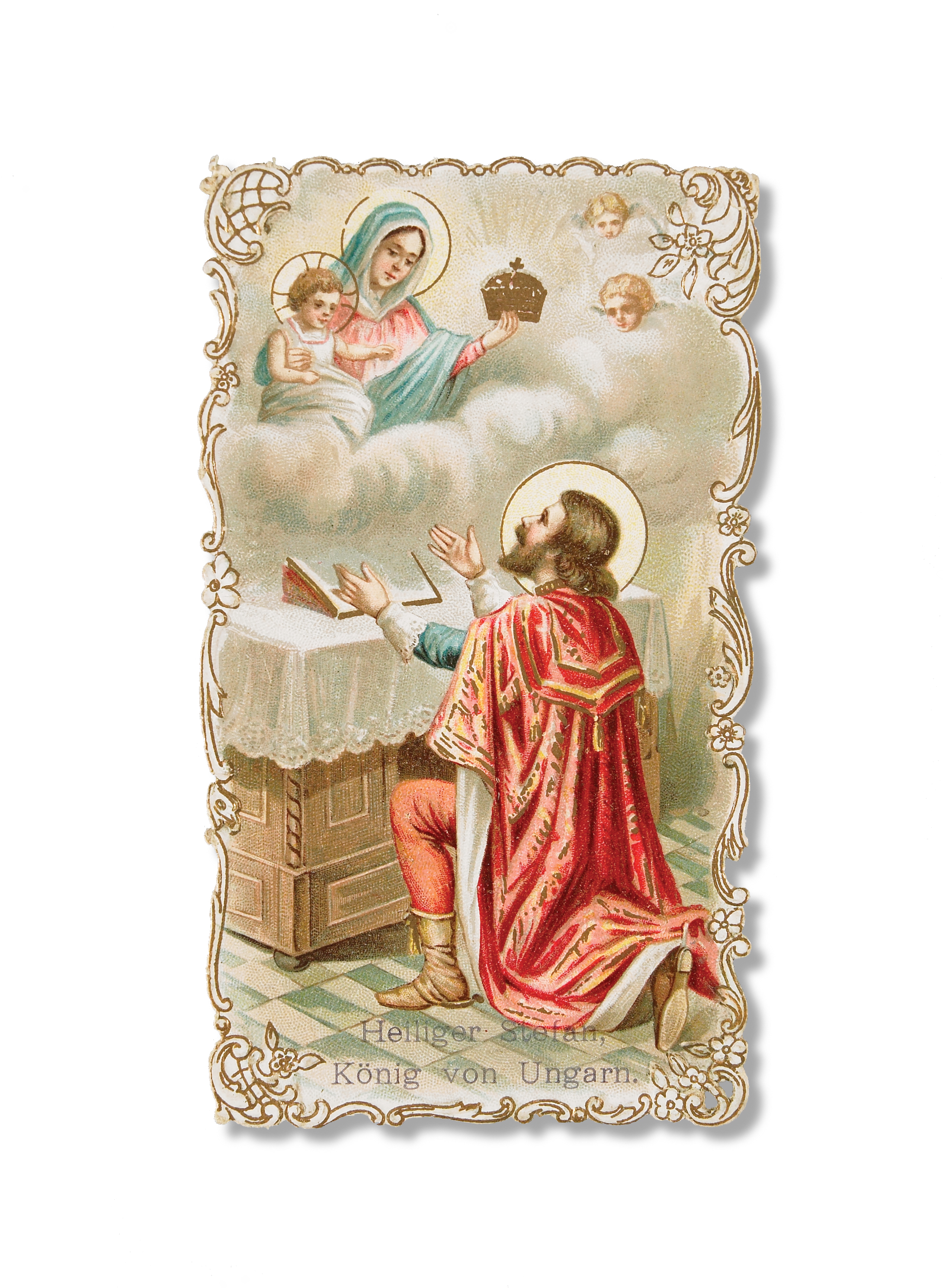
Hungary / Stephen of Hungary, 975–1038,
Feast Day: August 16

The first king of Hungary, Stephen was born into the pagan Magyar tribe and baptized as a young boy in order to make peace with Rome. He took his religion seriously and organized Hungary into one nation, building churches in every town. He outlived all of his children and his later years were filled with sorrow. His incorrupt right hand is one of Hungary’s greatest treasures.

Other patronages: bricklayers, kings, masons, stonecutters; death of children